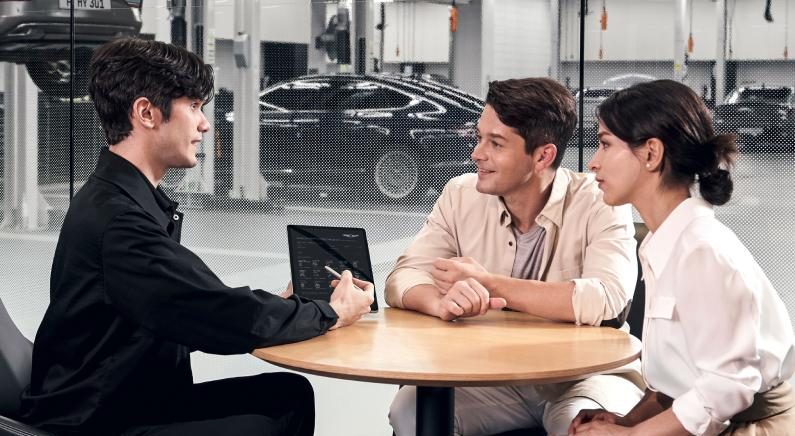
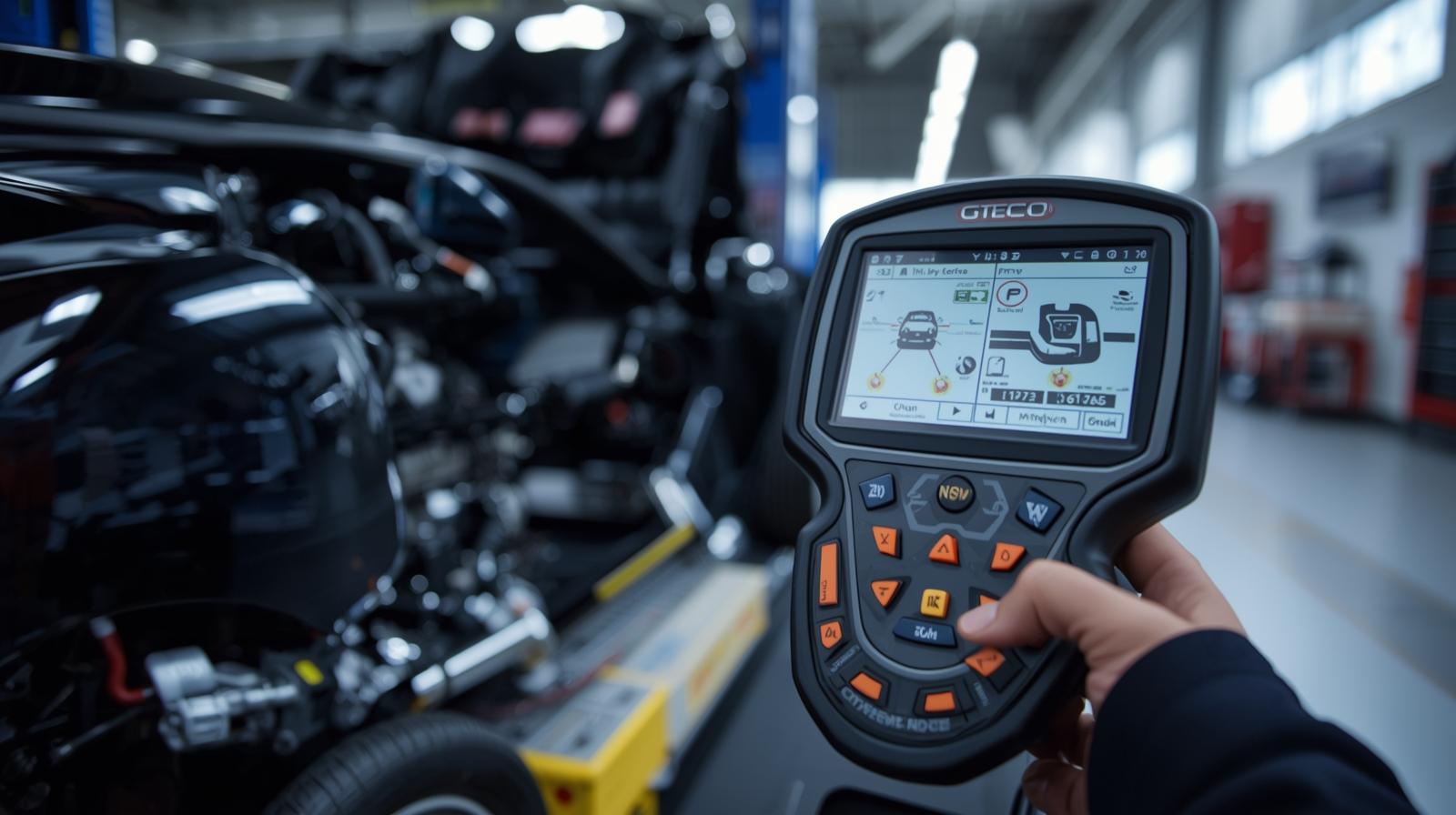
If you’ve spent enough time in a service drive, you’ve seen this happen. First, the advisor explains the issue. Then, they show the customer a photo from the MPI. Suddenly, the conversation changes.
Why? Because customers trust what they can see.
Most customers are not technicians. They don’t understand measurements, wear patterns, or technical language. However, when they see leaking fluid, worn brake pads, or damaged tires with their own eyes, the recommendation becomes real.
That’s the hidden advantage of MPI photos. They reduce doubt, increase clarity, and help customers make decisions faster.
The Bottom Line
Without photos, customers are forced to rely only on your explanation. Unfortunately, many customers have been oversold somewhere before, so skepticism already exists.
Photos change that dynamic. Instead of feeling like they’re being “sold,” customers feel informed. As a result, trust increases and conversations become easier.
More importantly, photos also help advisors present recommendations with more confidence. Instead of overexplaining the repair, the advisor can simply guide the customer through what they are seeing.
1. Where Most Shops Miss the Opportunity
Many shops take MPI photos but fail to use them correctly. The technician uploads the pictures, but the advisor never references them during the presentation. At that point, the photos become wasted effort.
The real value comes when advisors slow down, review the images with the customer, and explain why the issue matters now, not six months from now. That’s where approvals increase.
2. Reopen the Conversation with Visual Reminders
Next, remember an important principle. You do not need to resell the repair. Instead, you simply need to remind the customer visually. A week or two later, send a short message with the MPI photo attached.
For instance:
“Hi [Name], I wanted to share the photo from your last visit. Your brakes were measuring about 3mm. I’d recommend addressing them soon to avoid rotor damage. Want me to reserve a time this week?”
Notice what’s happening here. There’s no pressure. There’s no aggressive pitch. Rather, it’s simply visual proof combined with helpful timing. And that is exactly what today’s customers respond to.
3. Use Care Language, Not Sales Language
Just as importantly, your tone determines how the message is received. On one hand, sales language tends to push. On the other hand, care language builds trust. Consider the difference.
Sales approach:
“Are you ready to schedule your brake job?”
Care approach:
“I remembered your brakes were getting low and wanted to check in before it becomes something more expensive.”
Clearly, that small shift changes the entire conversation. While customers often resist sales pressure, they almost always appreciate someone looking out for them.
4️. Use Your CRM, But Personalize the Message
Today, most DMS or CRM systems can flag declined MPI work and trigger follow-up reminders. However, automation alone is not enough. Automation ensures the message gets sent. Meanwhile, personalization ensures the message gets answered.
For example, you might add:
“I remember you mentioned you had a trip coming up. Do you want to get the brakes handled before then?”
As a result, the message feels less like a system notification and more like a trusted advisor follow-up.
Final Thought
Your Camera Is a Closing Tool. Ultimately, the most powerful follow-up tool in your service drive isn’t your phone. Instead, it’s your camera. After all, customers may question what they hear. Likewise, they may forget what was said.
However, they rarely ignore what they can clearly see. Therefore, when you combine clear visuals, consistent follow-up, and genuine care, something powerful happens. You stop chasing sales. And instead, the work naturally comes back to you.
— John Fairchild